When ADHD and autism travel together, the presentation does not simply add up. It multiplies in surprising ways. A client who can hold a dazzling, detailed monologue about retro game engines may also miss three medical appointments in a row, not from lack of care but from time blindness and dread of fluorescent lights. Another client may ace a technical interview, then shut down for two days after the sensory and social intensity. Clinicians and families sometimes chase a single explanation, but co-occurrence asks for a wider lens, a different pace, and tools that respect both profiles.
Estimates vary, yet most careful reviews land somewhere between 20 and 50 percent overlap either direction. In practice, co-occurrence is common enough that every child therapist, couples therapist, and trauma provider should be fluent in the pattern. The work is not about normalizing a person to a narrow standard. It is about reducing suffering, building predictability, and growing lives that fit.
What co-occurrence actually looks like in the room
ADHD and autism share executive function challenges, emotional intensity, and social friction, but the underlying drivers can differ. ADHD often brings variable attention, speed, and impulsive decision making. Autism often brings a preference for depth over breadth, sensory differences, and a need for certainty and clarity. Together, a client may hyperfocus on an interest, then hit a wall when required to pivot tasks. Or they may need precise rules to feel safe, then forget the rule in the moment because working memory is overloaded.
Masking complicates assessment. Many autistic clients with ADHD have learned scripts that make them look more flexible than they feel. They may laugh through distress, keep eye contact by force, and nod while missing half of what is said. Later, they explode or collapse. I have watched brilliant adults blame themselves for this cycle for twenty years. Once we name the pattern, we can build a plan that protects energy and reduces shame.
Edge cases matter. Pathological demand avoidance, often reframed as extreme demand sensitivity, can look like oppositional behavior but usually comes from a nervous system that treats demands as threats. ADHD can amplify the volatility; a client may intend to comply, then panic and bolt. If a therapist interprets this as willful defiance, treatment stalls. If we treat it as a genuine survival response, we can slow the pace and co-create gentler approaches.
Getting assessment right enough to guide care
There is no single test that captures the synergy of ADHD and autism. Good evaluations triangulate. I ask for early developmental history, including language, play, and sensory quirks. I gather school reports, job performance notes, and family observations. Rating scales help, but they are blunt instruments when someone masks or interprets questions literally. I want concrete examples. How do mornings go, step by step? What happens when a plan changes at the last minute? Does the client have a sensory hangover after social events?
Watch for diagnostic overshadowing. Some clinicians stop at ADHD when they see distractibility and disorganization. Others stop at autism when they hear about social confusion. When life contains both time blindness and intense need for sameness, both diagnoses deserve a seat at the table. Co-occurrence also shifts how we read trauma. Bullying, chronic sensory overwhelm, and years of corrective feedback can create trauma symptoms that look like avoidance, dissociation, or explosive anger. Trauma therapy can help, but only if it respects neurotype.
The stance of neurodivergent therapy
Neurodivergent therapy is less a set of techniques and more a posture. It assumes the person is not broken. It looks first at fit between nervous system and environment, then at skills. It accepts stimming, silence, fidgeting, or pacing as communication. It allows a client to type or draw when speaking fails. It trades metaphors that require theory of mind for direct, concrete language.
In sessions, I aim for structure plus choice. We set a predictable agenda, then check what feels doable that day. I keep lights low, screens dim, and sounds stable. I ask about sensory safety before hard topics. I offer summaries and written follow-ups so working memory does not carry the load. Time is explicit. If we have 15 minutes left, I say it. Ending well matters.
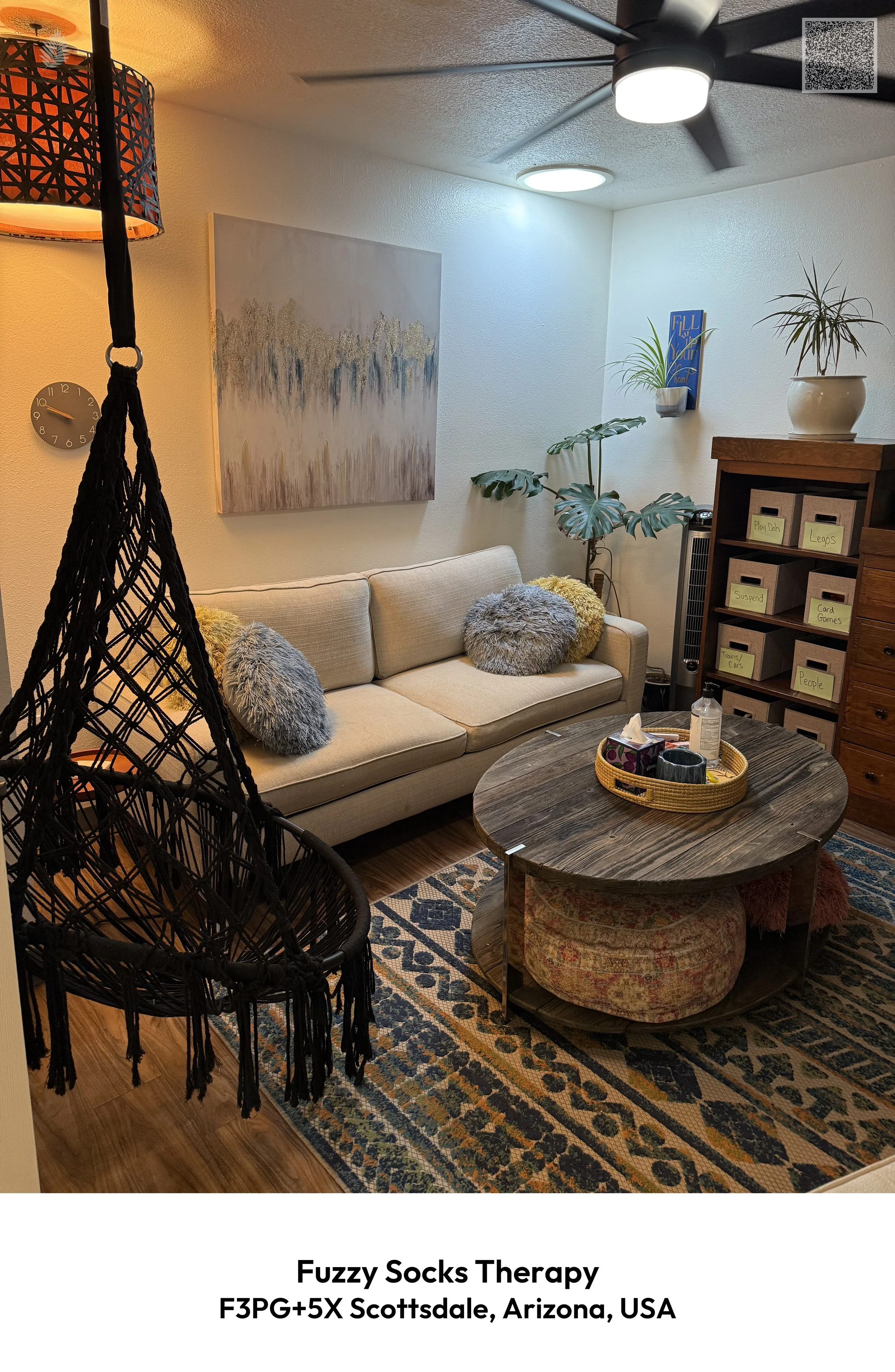
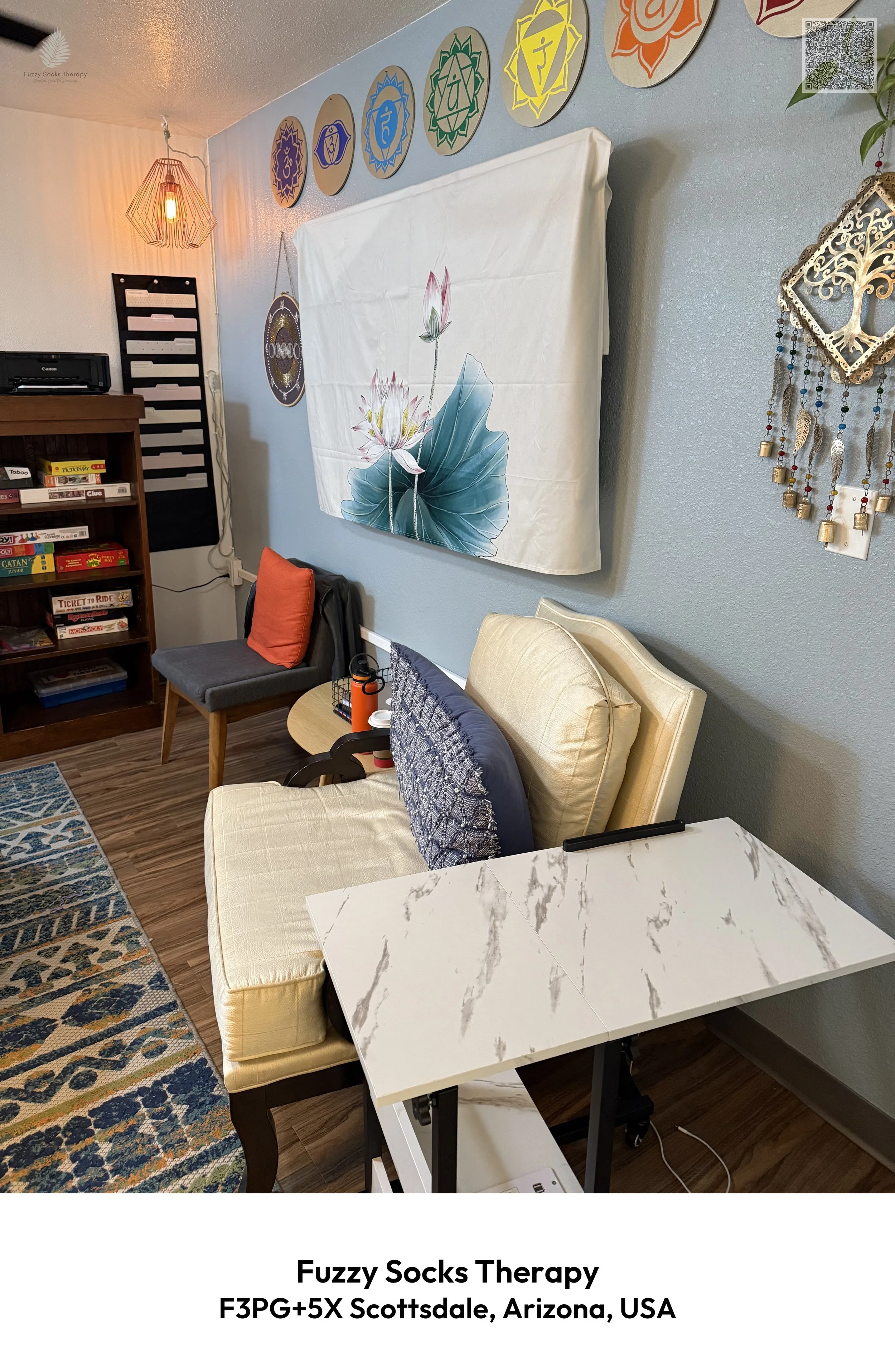
The therapy rooms that work best have clear exits, soft textures, minimal visual clutter, and options for sitting, standing, or moving. I keep the clock large and in the client’s line of sight. A small basket with textured items helps regulate arousal. None of this is fancy. It is respect.
Executive function support that actually holds
ADHD brings variable attention and motivation, while autism can add rigidity around routines. Together, people do best with externalized structure and gentle flexibility. Therapists often repeat slogans about habits. What helps is specificity, environmental design, and energy accounting. Internal willpower is the most fragile tool in the kit.
Here is a compact toolbox I return to with many clients:
- Externalize time: oversized analog clocks in key rooms, visual timers for transitions, alarms paired with the action rather than the hour. Pre-decide tiny moves: two-sentence morning cue cards, a three-step shutdown routine for laptops, a fixed script for how to start a task. Reduce initiation cost: lay out supplies the night before, use one-tap phone shortcuts, keep a rolling five-item to do list with no sublists. Make quitting easy and honorable: a stop rule like 20 minutes or first natural break, then a recorded note of the next breadcrumb. Protect energy: one high-demand block per day, not three; a 2 to 1 ratio of restore time to intense social time; headphones in public on purpose.
Clients sometimes resist aids because they feel infantilizing. I normalize the use of scaffolds by describing them as mobility devices for the mind. If we would not judge a wheelchair, we should not judge a whiteboard. The goal is not to remove supports but to right-size them and keep them visible without visual chaos. One large whiteboard beats seven sticky notes.
Sensory and interoceptive work
If the body never feels safe, therapy has a low ceiling. Many co-occurring clients have noise sensitivity, visual clutter intolerance, and difficulty reading internal cues. Hunger arrives as nausea or irritability. Bladder signals surface only when it is almost too late. I use micro-interoception check-ins. Before heavy content, we pause for 30 seconds and scan for three sensations. If that is too abstract, we start with a single anchor, like the feeling of feet on the floor.
Sensory diets must be personal, not Pinterest boards. For one client, early morning heavy work with resistance bands organizes the day. For another, scent-free everything is the biggest intervention. A client who shuts down from eye contact may connect better through parallel activities, like walking, drawing, or sorting small items. Sometimes the best move is a dimmer switch in the kitchen and a softer showerhead.
Trauma therapy, adapted on purpose
Many neurodivergent adults and teens carry complex trauma from social exclusion, restraint or seclusion at school, medical procedures without consent, or years of being told they are too much or not enough. Trauma therapy helps when it centers consent, pacing, and sensory safety. The standard sequence holds, but the tempo and language change.
I spend more time on preparation. We build calming kits and practice state shifts with simple, concrete cues. I avoid closed-eye exercises unless the client proposes them. Imagery can be hard for literal thinkers, so I offer alternatives like tactile objects or visual symbols. When we map triggers, I ask about sensory inputs and demands, not just narratives. A noisy grocery store can be a trauma vector as much as a memory of bullying.
EMDR therapy can be effective, especially for single-incident traumas like a car accident or sudden loss. In co-occurrence, I adapt almost every element:
- Bilateral stimulation works better with tactile buzzers or visual light bars than with fast eye movements. I slow the pace and use shorter sets. I reduce reliance on open-ended imagery and invite concrete anchors, like a color, a texture, or a photograph. I keep language literal and check comprehension. Cognitive interweaves need to be concrete, not metaphor-heavy. I use external timers and visual scales for SUDs to reduce working memory strain. I allow more breaks, more water, and permission to stim or move while processing.
Some clients with autistic inertia or intense dissociation need even more titration. We may process fragments of a memory over months. That is not failure. When shutdowns follow EMDR sessions, I shorten sets further and add post-session protocols, like scheduled rest and a clear, written plan for the rest of the day.

Couples therapy when ADHD and autism are in the mix
Partners are often each other’s primary supports and, during stress, accidental threats. A sound sensitivity can make a harmless habit feel punishing. Time blindness can feel like disregard. In couples therapy, my first aim is to create a shared map. I teach partners to frame friction as pattern against pattern, not character against character. We make behavior visible without pathologizing needs.
Rules help when they are few, explicit, and enforced kindly. I have couples design home sensory zones, specify silent hours, and use traffic-light signals on doors or headphones. I also teach direct speech. Indirect hints tend to fail with literal interpreters. Requests need to be small, time-bound, and concrete.
For conflict, I like micro-scripts that fit short attention spans and high arousal. Here is a five-step repair sequence I use often:
- Name the nervous system: “My heart is fast, I need 10 minutes to settle.” Clarify intent: “I want to solve this with you, not win.” State the smallest ask: “Today, I need the kitchen quiet from 6 to 7.” Validate a difference: “Your need to talk it out is real, my need for silence is real.” Confirm the next touchpoint: “Let’s check back at 7:15 with the timer.”
We practice this slowly, with written cards at first. Couples therapy improves most when logistics shift. Shared calendars with alerts, chore systems that respect executive function limits, and a clear rescue plan for late-night spirals matter more than long debates about motives. Some pairs benefit from elements of the Fair Play method, but I trim it down and assign only a few cards at a time.
Working with children and families
Child therapy for co-occurring ADHD and autism centers the adults. Skills grow faster when the environment changes. I coach parents to interpret behavior as communication and to spot demand sensitivity early. Visual schedules, first-then language, and two-minute transition warnings reduce explosions. I teach parents to match the few non-negotiables with high predictability, then make the rest negotiable. Many families need permission to drop activities that look good on paper but drain the child dry.
Play therapy still works, but I do not force pretend play if it is aversive. Sensorimotor play, building sets, or rule-based games may be more regulating. I keep sessions shorter if needed, or alternate between the child and parent sessions. Schools often lag. I help families request formal accommodations, including sensory breaks, lighter fluorescent coverage, noise-reducing headphones, and reduced homework volume. A child who meets standards in class does not always need extra work at night, especially when nights are for recovery.
For children with extreme demand sensitivity, goals focus on agency and co-regulation. We collaborate on phrasing that lands gentler. Instead of “You must brush now,” we try “How do you want to brush, before or after the song?” It is not trickery. It is respect for a nervous system that treats imposed action as threat.
Medication, sleep, and data that does not distort
I am not a prescriber, but therapy benefits when we align with good medical care. Stimulants can be helpful even when autism is present, but the window between effective and overstimulating may be narrow. I ask clients to track a small set of data points for two weeks when starting or changing medications: appetite, sleep onset time, midday anxiety spikes, and evening rebound. A 10-point daily score is easier to collect than long narratives. Short-acting stimulants may cause sharp rebounds; long-acting versions reduce that but can blunt appetite all day. For some clients, a tiny afternoon dose smooths the landing.
SSRIs can amplify restlessness. Some autistic clients do better with lower doses or alternative options. Sleep is the keystone. I often see a 30 to 60 minute delay in sleep onset after starting stimulants. Blue light filters, dimming the house by 8 p.m., and a 15-minute downshift routine make a difference. If sleep remains poor, we reevaluate.
Group therapy and peer anchors
Isolation erodes hope. Carefully structured groups help, especially when there are rules about sensory and communication safety. I keep groups small, 4 to 6 members, and send written agendas ahead. We rehearse scripts for asking for time, declining a topic, or requesting clarification without shame. Peer validation does work that no clinician can replicate. One client only stopped blaming herself for shutdowns after hearing three peers describe the same pattern.
Telehealth and accessibility
Remote sessions remove travel friction and sensory threats from waiting rooms. They also introduce new hurdles. Clients with ADHD and autism may zone out on screens. I adapt by keeping cameras optional, using shared documents during sessions, and building https://claytonhjwt864.tearosediner.net/creating-neurodiversity-affirming-spaces-in-neurodivergent-therapy in movement breaks. I ask clients to curate a low-stimulation corner at home and to use wired headphones when possible. Shorter, more frequent sessions often beat hour-long marathons.
Measuring progress without missing the point
Standard symptom scales can move slowly. I prefer functional markers. How many days this week felt survivable from wake to sleep. How often did a meltdown escalate to aggression. How many appointments were attended without a crash the next day. Are friendships holding longer. Is the house quieter at bedtime. If the numbers improve but the client feels more constrained, we revisit. Progress means a wider life and less pain, not better masking.
Two brief vignettes
A 32-year-old software tester came in with panic about work deadlines and a marriage on the brink. He had ADHD diagnosed at 19, autism added last year. He procrastinated until 2 a.m., then worked in a frenzy. His partner felt ignored and exhausted. We externalized time with a huge clock and task initiation with a three-step script. He set one protected deep-work block each morning, headphones on, chat muted. In couples therapy, we established a nightly 20-minute silent window for sensory recovery before any conversation. Panic eased within six weeks. After three months, his output steadied, and fights dropped by half. The marriage did not transform overnight, but both partners felt less at war with the day.
A 9-year-old girl refused school three mornings a week, melting down over socks and breakfast textures. She had ADHD diagnosed in first grade, autism suspected but undiagnosed. We adjusted mornings: lights dim, one breakfast choice, a visual plan with three boxes to check, and a shoe station with only two sock types. Parent coaching replaced lectures with first-then language and allowed her to choose car music. The school agreed to a sensory break at 9:30 and reduced morning demands. Within a month, refusals dropped to once every two weeks. Child therapy focused on interoception games and a feelings menu with literal icons. No heroics, just a better fit.
Where trauma lives in the weave
Many clients report medical trauma from procedures without explanation or consent, social trauma from group projects and recess, and performance trauma from constant correction. Therapy naming this reduces shame. EMDR therapy helps when it targets sharply defined memories. For diffuse, chronic wounds, we may use parts-informed work, narrative techniques, or somatic tracking. I often blend brief EMDR sets with longer stabilization phases, especially when autistic shutdowns or ADHD impulsivity create post-session fallout. We aim for integration, not excavation. When a memory softens, life should get bigger, not just quieter.
Collaboration with schools and workplaces
A therapy hour cannot carry a week. I often write letters or meet with teams to request simple accommodations: longer response time in meetings, agendas sent 24 hours prior, a quiet workspace, permission to use headphones, or reduced small talk at the start of calls. For students, predictable routines and visual supports carry the most weight. For adults, clarity of role and fewer concurrent tasks matter. I teach clients to ask for adjustments with scripts that feel safe. Not every employer says yes, but many do when the request is concrete and tied to outcomes.
Finding a clinician who fits
Credentials alone do not guarantee a good match. Listen for how a therapist talks about neurodivergence. Green flags include explicit comfort with stimming, flexibility around communication modes, willingness to adapt methods, and experience with both trauma therapy and practical coaching. If a therapist promises to eliminate all autistic traits or treats ADHD as laziness, keep looking. If they can describe how they adapt EMDR therapy for sensory needs, or how they integrate couples therapy with executive function supports, that is a strong sign.
When therapy is not enough
Sometimes the main barrier is not skill but context. Unsafe housing, hostile workplaces, or underfunded schools can swallow gains. Advocacy, benefits navigation, and disability services become part of care. I help clients document needs, apply for accommodations, and connect with peer groups. Medication adjustments, occupational therapy, and speech-language support may join the plan. Progress often looks like a mosaic, not a straight line.
A realistic arc of change
Clients often ask how long it takes to feel better. A rough range helps. With consistent neurodivergent therapy, many notice less daily chaos within 4 to 8 sessions, especially when we shift environment and routines quickly. Trauma symptoms ease more slowly. Single-incident traumas may soften in 6 to 12 EMDR sessions, while complex trauma can stretch longer, with long stabilization phases. Couples therapy tends to show early gains in household calm if partners adopt concrete agreements within the first month. Child therapy timelines depend on school cooperation and parent capacity. The throughline is consent, fit, and persistence without blame.
The co-occurrence of ADHD and autism can make life feel like a series of near-misses. The right supports change that. When therapy respects sensory reality, externalizes executive function, addresses trauma with care, and involves partners or parents in clear, humane ways, the floor rises. Clients do not become different people. They become more themselves, with less pain, in homes and workplaces that finally make sense.
Address: 3295 N. Drinkwater Blvd., Suite 10, Scottsdale, AZ 85251
Phone: (720) 378-8454
Website: https://www.fuzzysockstherapy.com/
Email: [email protected]
Hours:
Monday: 9:00 AM - 5:00 PM
Tuesday: 9:00 AM - 5:00 PM
Wednesday: 9:00 AM - 5:00 PM
Thursday: 9:00 AM - 5:00 PM
Friday: 9:00 AM - 5:00 PM
Saturday: Closed
Sunday: Closed
Open-location code (plus code): F3PG+5X Scottsdale, Arizona, USA
Map/listing URL: https://maps.app.goo.gl/cqhwvXU4UMg6QL1YA
Embed iframe:
The practice offers in-person therapy in Scottsdale along with online sessions for clients in Arizona, Colorado, and Florida.
Clients can explore services such as trauma therapy, EMDR therapy, Deep Brain Reorienting Therapy, neurodivergent therapy, child therapy, couples therapy, discernment counseling, and parenting intensives.
Fuzzy Socks Therapy is especially relevant for people navigating trauma, dysfunctional family dynamics, ADHD, autism, relationship conflict, and emotional overwhelm.
The website presents a direct, practical therapy style focused on real tools and meaningful change rather than vague advice.
Scottsdale clients looking for trauma-informed psychotherapy can find support that combines deeper healing work with concrete skill building.
The practice also offers help for adult children of dysfunctional families, couples on the brink, and neurodivergent kids, teens, and adults.
To get started, call (720) 378-8454 or visit https://www.fuzzysockstherapy.com/ to book a free consultation.
A public Google Maps listing is also available for Scottsdale location reference alongside the official website.
Popular Questions About Fuzzy Socks Therapy
What does Fuzzy Socks Therapy help with?
Fuzzy Socks Therapy helps with trauma, dysfunctional family patterns, neurodivergence, relationship conflict, emotional overwhelm, and related challenges for individuals, couples, and families.
Is Fuzzy Socks Therapy located in Scottsdale, AZ?
Yes. The official website lists the office at 3295 N. Drinkwater Blvd., Suite 10, Scottsdale, AZ 85251.
Does Fuzzy Socks Therapy offer in-person and online sessions?
Yes. The official site says the practice offers in-person therapy in Scottsdale and online therapy in Arizona, Colorado, and Florida.
What therapy approaches are listed on the website?
The website highlights EMDR therapy, Deep Brain Reorienting Therapy, discernment counseling, play therapy, Dialectical Behavior Therapy, Emotionally Focused Therapy, and practical trauma-informed skill building.
Who provides therapy at Fuzzy Socks Therapy?
The official website identifies the therapist as Lianna Purjes.
Does the practice offer couples counseling?
Yes. The website includes couples therapy, couples intensives, and discernment counseling for couples deciding whether to stay together or separate.
Does the practice work with children and adolescents?
Yes. The site says the practice offers child therapy and support for children, adolescents, and their families.
How can I contact Fuzzy Socks Therapy?
Phone: (720) 378-8454
Email: [email protected]
Website: https://www.fuzzysockstherapy.com/
Landmarks Near Scottsdale, AZ
Drinkwater Boulevard is the clearest local reference point for this office and helps nearby clients place the practice in Scottsdale. Visit https://www.fuzzysockstherapy.com/ for service details.
Old Town Scottsdale is a familiar city landmark and a practical reference for people searching for therapy near central Scottsdale. Call (720) 378-8454 to learn more.
Scottsdale Civic Center is another recognizable local landmark that helps define the surrounding area for nearby professional services. The official website has current contact details.
Scottsdale Stadium is a well-known destination in the city and a useful point of reference for local users. Fuzzy Socks Therapy offers both in-person and online sessions.
Indian School Road is a major corridor that helps many residents orient themselves in Scottsdale. More information is available at https://www.fuzzysockstherapy.com/.
Fashion Square and the surrounding central Scottsdale area are widely recognized by local residents and visitors alike. Reach out through the website to book a free consultation.
Downtown Scottsdale is a strong local search reference for people seeking counseling and psychotherapy services in the area. The practice serves Scottsdale in person and multiple states online.
Scottsdale Road is another major route that helps define the broader service area for clients traveling from nearby neighborhoods. The practice supports individuals, couples, and families.
The Scottsdale arts and civic district is a useful area reference for those familiar with the city center. Visit the site to review specialties and next steps.
Central Scottsdale commuter corridors make this practice relevant for nearby residents who want in-person therapy, while online sessions add flexibility for clients in Arizona, Colorado, and Florida.